Congenital Urinary Abnormalities
Kidney and urinary tract differences present from birth.
What is Congenital Urinary Abnormalities?
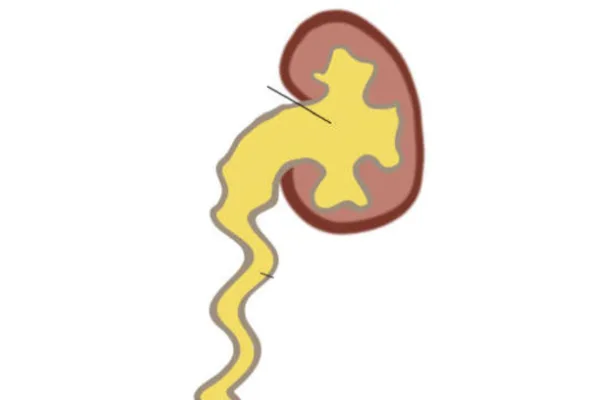
The kidneys and urinary tract form early in pregnancy, and a range of variations can occur. Together these are known as congenital anomalies of the kidney and urinary tract.
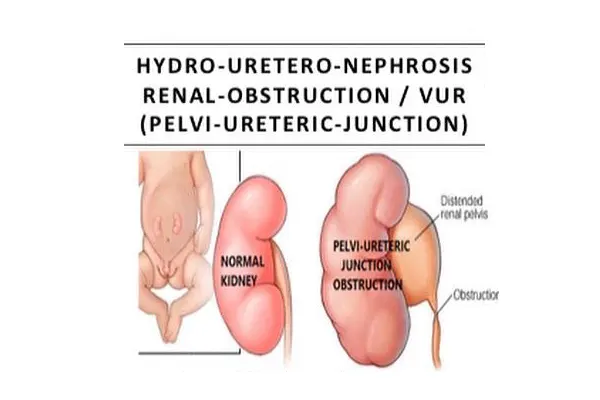
They include a duplex kidney with two drainage systems, a megaureter that is wider than normal, a horseshoe kidney where the two kidneys are joined, a pelvic or ectopic kidney sitting in the wrong place, a single kidney, a multicystic dysplastic kidney, and an ectopic ureter draining in the wrong location.
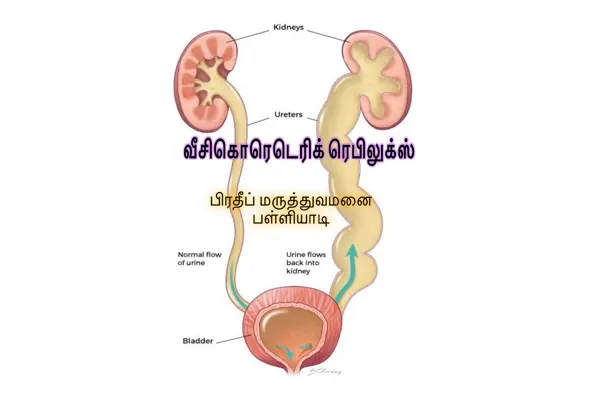
Many are found on antenatal scans and never cause any trouble. Others matter because they obstruct urine, allow reflux, or predispose to infection and stones.
The purpose of assessment is to sort them into three groups: those that need nothing but reassurance, those that need periodic surveillance, and the smaller number that need surgery.
In your language
Congenital Urinary Abnormalities
Kidney and urinary tract differences present from birth.
The kidneys and urinary tract form early in pregnancy, and a range of variations can occur. Together these are known as congenital anomalies of the kidney and urinary tract.
பிறவி சிறுநீரக & சிறுநீர்ப்பாதை குறைபாடுகள்
சிறுநீரகம் மற்றும் சிறுநீர்ப்பாதையில் பிறவியிலேயே பல வகை மாறுபாடுகள் இருக்கலாம் — இரட்டை சிறுநீரகம், அகன்ற சிறுநீர்க்குழாய், குதிரைலாட சிறுநீரகம், ஒரு சிறுநீரகம் மட்டும் இருத்தல் போன்றவை. இவற்றில் பெரும்பாலானவை எந்தப் பிரச்சினையும் ஏற்படுத்தாது. சிலவற்றுக்கு மட்டுமே கண்காணிப்பு அல்லது அறுவை சிகிச்சை தேவை. ஒரே சிறுநீரகம் மட்டும் உள்ள குழந்தைகளுக்கு ரத்த அழுத்தம் மற்றும் சிறுநீரக பரிசோதனை தொடர்ந்து செய்வது அவசியம்.
ജന്മനായുള്ള മൂത്രാശയ വൈകല്യങ്ങൾ
വൃക്കയിലും മൂത്രാശയ വ്യവസ്ഥയിലും ജന്മനാ പല വ്യതിയാനങ്ങളും ഉണ്ടാകാം — ഇരട്ട വൃക്ക, വീതിയേറിയ മൂത്രനാളി, കുതിരലാട വൃക്ക, ഒറ്റ വൃക്ക എന്നിവ. ഇവയിൽ മിക്കതും പ്രശ്നമുണ്ടാക്കില്ല. ചിലതിന് മാത്രമേ നിരീക്ഷണമോ ശസ്ത്രക്രിയയോ വേണ്ടിവരൂ. ഒറ്റ വൃക്ക മാത്രമുള്ള കുട്ടികളിൽ രക്തസമ്മർദ്ദവും വൃക്കയുടെ പ്രവർത്തനവും തുടർച്ചയായി പരിശോധിക്കണം.
What Parents Notice
Not every child shows every sign. If something on this list matches your child, it is worth an examination rather than a guess.
- Often none — found on a scan before or after birth
- Repeated urinary tract infections or unexplained fever
- Tummy or flank pain
- Continuous dampness in a toilet-trained girl, suggesting an ectopic ureter
- A lump felt in the tummy
- Poor growth or feeding problems in a baby
- High blood pressure or abnormal kidney function found on testing
How It Is Confirmed
- Ultrasound of the kidneys, ureters and bladder — the starting point for all of these
- MCUG where reflux or bladder outlet obstruction is a possibility
- DMSA scan to measure how much each kidney or each part of a kidney is contributing
- MAG3 or DTPA renogram where drainage and obstruction are in question
- MRI urogram in selected complex anatomy, such as a suspected ectopic ureter
- Blood pressure and kidney function monitoring where a kidney is single or scarred
How It Is Treated
- Reassurance and discharge for the many anomalies that carry no functional consequence.
- Surveillance with periodic ultrasound, blood pressure and urine checks — particularly for a solitary kidney, where protecting the one kidney is the whole point.
- Preventive antibiotics in infants at risk of infection while the anatomy is being defined.
- Surgery where there is genuine obstruction, persistent reflux, a non-functioning segment causing infection, or stones.
- Referral for genetic or nephrology input where the anomaly is part of a wider syndrome or where kidney function is reduced.
Does My Child Need Surgery?
Not every child with Congenital Urinary Abnormalities needs an operation. These are the situations in which surgery is advised — and the decision is always made after examining your child, never from a description alone.
Imaging shows obstruction with impaired drainage or falling function
Infections keep recurring despite appropriate preventive measures
A segment of kidney has no useful function and is a source of infection or pain
An ectopic ureter causes continuous incontinence
Stones or complications develop within an abnormal system
What Happens Over Time
Most of these variations never cause a problem and need nothing beyond reassurance. Where surveillance is advised, the point is to protect a kidney over decades, and children under follow-up generally do very well. A child with one healthy kidney can expect a normal life.
This describes what usually happens, not what will happen to your child. The surgeon will give you a specific picture after examining them.
Can It Be Prevented?
These form before birth and cannot be prevented. Some run in families or form part of a syndrome, in which case antenatal scanning and genetic advice are worthwhile.
From First Visit to Going Home
What happens, in order, so that nothing on the day comes as a surprise.
Consultation
Dr. Pratheep Samraj examines your child and goes through the history, earlier reports and any treatment already given.
Investigation
Only the tests that change the decision are asked for — commonly an ultrasound, blood tests, and occasionally an X-ray or a scopy.
Explanation
You are told what the condition is, whether it needs surgery, what happens if you wait, and what the operation involves.
Treatment
If surgery is appropriate it is planned with paediatric anaesthetic cover, with ICU and NICU support available in the hospital.
Follow-up
You go home with written instructions and a review date, and you can reach the hospital by phone or WhatsApp in between.
Hospital stay
Most children need only outpatient assessment. Where surgery is required, the admission depends on the procedure — typically 2 to 5 days.
Recovery at home
Varies with the procedure. Children under surveillance alone carry on entirely normally, at school and in sport.
Follow-up
Determined by the anomaly. A single kidney or scarred kidney needs periodic checks for many years; incidental variants may need none.
Please bring with you: all previous scan reports, blood test reports, discharge summaries, records of any earlier operation, current medicines, and your child’s immunisation card. Photographs on your phone of a swelling that comes and goes are genuinely useful.
Please note: this page is general information about Congenital Urinary Abnormalities, not advice about your child. Timing, suitability for surgery and the expected result differ from child to child and are decided only after clinical evaluation.
Questions Parents Ask
If your question is not here, send it on WhatsApp — you will get an answer from the hospital team.
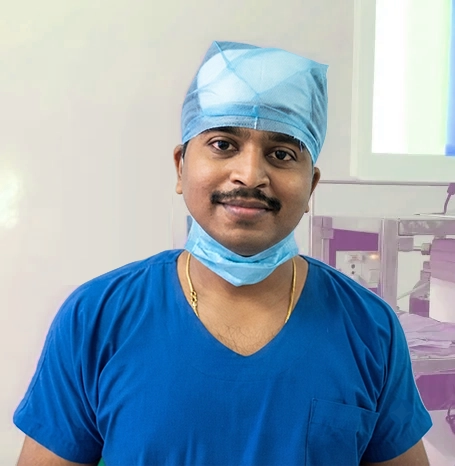
Dr. Pratheep Samraj
Consultant Paediatric & Neonatal Surgeon · Palliyadi, Kanyakumari
Super-specialist surgical care for newborns, infants and children, with expertise in paediatric urology, congenital anomalies, gastro-intestinal surgery and minimally invasive surgery.
Related Conditions
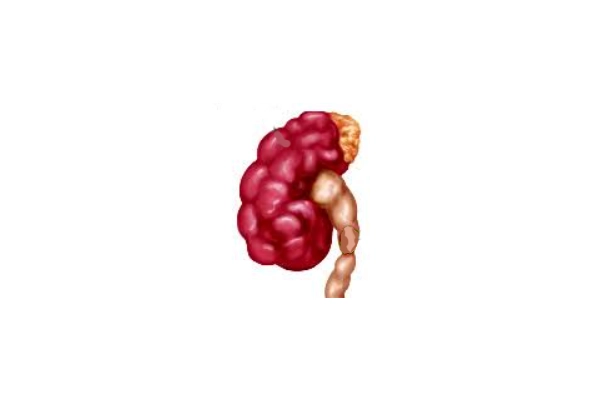
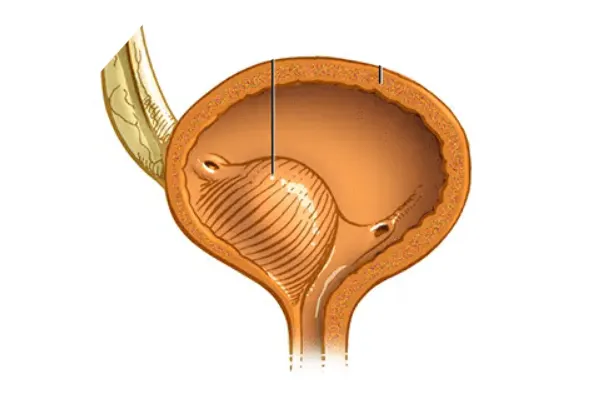
Many of these need nothing at all. A few need watching for life.
A single working kidney in particular is worth protecting properly, with blood pressure and urine checks rather than worry. Bring the scan reports and you will be told which group your child is in.
Consultation 10:00 AM - 1:00 PM & 4:00 PM - 8:00 PM · 24-hour laboratory & pharmacy
In an emergency — green vomiting in a baby, a groin swelling that will not go back, severe tummy pain, or a newborn not passing urine or meconium — come straight to the hospital or to your nearest emergency department. Do not wait for a reply to a message.