Hydrocele
Painless fluid swelling around the testis.
What is Hydrocele?
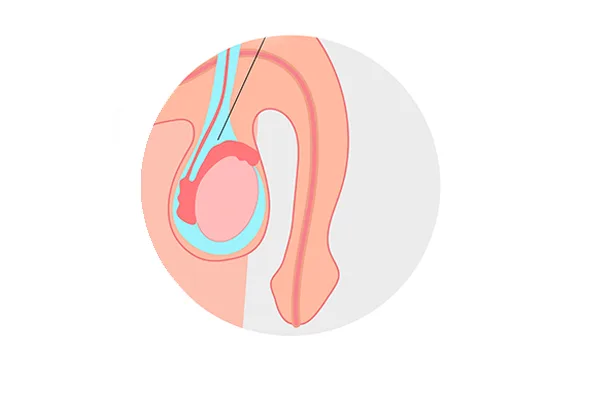
A hydrocele is a collection of fluid around the testis, which makes the scrotum swell. In children it happens because the narrow channel the testis travelled through before birth has not closed completely, so fluid from the abdomen trickles down into the scrotum.
It is soft, painless, and often changes size through the day — smaller in the morning after lying flat, larger by evening.
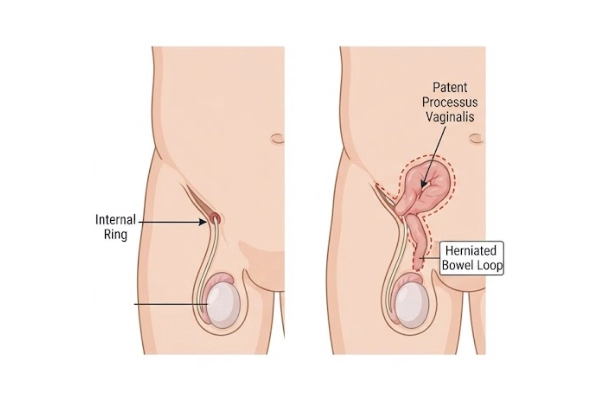
A hydrocele and an inguinal hernia come from the same unclosed channel. The difference is what passes down it: fluid only in a hydrocele, bowel or other abdominal contents in a hernia. That is why any swelling in this area is examined properly rather than assumed.
In your language
Hydrocele
Painless fluid swelling around the testis.
A hydrocele is a collection of fluid around the testis, which makes the scrotum swell. In children it happens because the narrow channel the testis travelled through before birth has not closed completely, so fluid from the abdomen trickles down into the scrotum.
நீர்க்கட்டி (ஹைட்ரோசீல்)
ஹைட்ரோசீல் என்பது விதைப்பையைச் சுற்றி நீர் சேர்வதால் ஏற்படும் வலியற்ற வீக்கம். சிறு குழந்தைகளில் பெரும்பாலும் 1–2 வயதிற்குள் தானாகவே சரியாகிவிடும். இரண்டு வயதிற்குப் பிறகும் இருந்தால் அறுவை சிகிச்சை தேவை — இது பொதுவாக ஒரே நாள் சிகிச்சை. ஊசி போட்டு நீரை எடுப்பது சரியான தீர்வு அல்ல. வீக்கம் கடினமாகவோ, சிவப்பாகவோ, வலியுடனோ இருந்தால் உடனடியாக மருத்துவரைப் பாருங்கள்.
ജലവീക്കം (ഹൈഡ്രോസീൽ)
വൃഷണത്തിനു ചുറ്റും ദ്രാവകം കെട്ടിനിന്ന് ഉണ്ടാകുന്ന വേദനയില്ലാത്ത വീക്കമാണ് ഹൈഡ്രോസീൽ. കുഞ്ഞുങ്ങളിൽ മിക്കതും 1–2 വയസ്സിനുള്ളിൽ സ്വയം മാറും. രണ്ടു വയസ്സിനു ശേഷവും നിലനിന്നാൽ ശസ്ത്രക്രിയ വേണ്ടിവരും — സാധാരണ ഒരു ദിവസത്തെ ചികിത്സ മതി. സൂചി കുത്തി വെള്ളം എടുക്കുന്നത് ശരിയായ പരിഹാരമല്ല. വീക്കം കടുപ്പമോ ചുവപ്പോ വേദനയോ ആയാൽ ഉടൻ ഡോക്ടറെ കാണണം.
What Parents Notice
Not every child shows every sign. If something on this list matches your child, it is worth an examination rather than a guess.
- Painless swelling of one or both sides of the scrotum
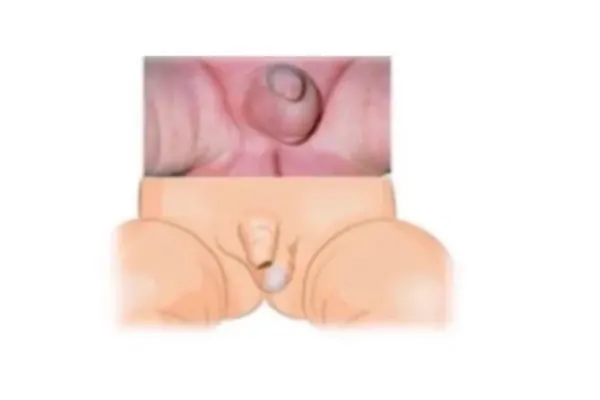
- The swelling is smooth and soft, and light may shine through it
- The size varies — often smaller in the morning, larger after a day of activity or crying
- The child is otherwise well, feeding and playing normally
- A swelling that becomes hard, red or tender, or comes with vomiting, is not a simple hydrocele and needs to be seen the same day
How It Is Confirmed
- Diagnosis is clinical — the surgeon examines the swelling, checks whether it reduces, and feels the cord above it
- Shining a light through the swelling supports the diagnosis
- An ultrasound of the scrotum and groin is used when a hernia, a testicular problem or a varicocele needs to be excluded
How It Is Treated
- In babies, most hydroceles close and disappear by themselves during the first one to two years of life. Observation is the correct treatment during that time.
- If it is still present after about 18 months to 2 years, or if it appears for the first time in an older child, surgery is advised.
- The operation closes the channel through a small groin incision, usually as a day-care procedure.
- A hydrocele in a child should not be treated by needle aspiration — the fluid simply reaccumulates because the channel is still open.
Does My Child Need Surgery?
Not every child with Hydrocele needs an operation. These are the situations in which surgery is advised — and the decision is always made after examining your child, never from a description alone.
The hydrocele persists beyond 18 months to 2 years of age
It appears for the first time in an older child, which suggests a channel that has re-opened or another cause
It is getting steadily larger, or is large enough to be uncomfortable
There is any suggestion that bowel is also coming down — that is a hernia, and it is repaired without waiting
What Happens Over Time
Excellent. Most infant hydroceles disappear without treatment, and those that are repaired very rarely come back. There is no effect on fertility or on later sexual function.
This describes what usually happens, not what will happen to your child. The surgeon will give you a specific picture after examining them.
Can It Be Prevented?
A hydrocele cannot be prevented. It is the result of a channel that was open before birth failing to close.
From First Visit to Going Home
What happens, in order, so that nothing on the day comes as a surprise.
Consultation
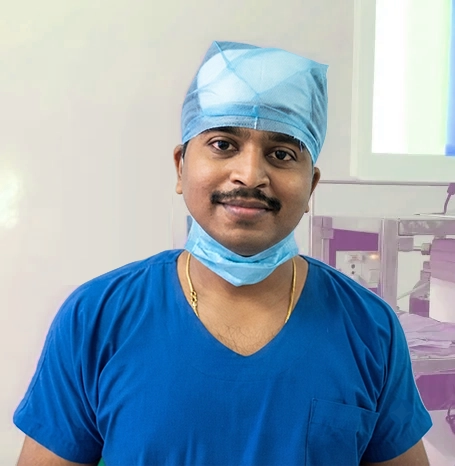
Dr. Pratheep Samraj examines your child and goes through the history, earlier reports and any treatment already given.
Investigation
Only the tests that change the decision are asked for — commonly an ultrasound, blood tests, and occasionally an X-ray or a scopy.
Explanation
You are told what the condition is, whether it needs surgery, what happens if you wait, and what the operation involves.
Treatment
If surgery is appropriate it is planned with paediatric anaesthetic cover, with ICU and NICU support available in the hospital.
Follow-up
You go home with written instructions and a review date, and you can reach the hospital by phone or WhatsApp in between.
Hospital stay
Day care in most cases — the child comes in the morning and usually goes home the same evening.
Recovery at home
Comfortable within a couple of days. Normal school and play in about a week; avoid cycling for 2 to 3 weeks.
Follow-up
One review at about 2 to 4 weeks. Long-term follow-up is not usually needed.
Please bring with you: all previous scan reports, blood test reports, discharge summaries, records of any earlier operation, current medicines, and your child’s immunisation card. Photographs on your phone of a swelling that comes and goes are genuinely useful.
Please note: this page is general information about Hydrocele, not advice about your child. Timing, suitability for surgery and the expected result differ from child to child and are decided only after clinical evaluation.
Questions Parents Ask
If your question is not here, send it on WhatsApp — you will get an answer from the hospital team.
Dr. Pratheep Samraj
Consultant Paediatric & Neonatal Surgeon · Palliyadi, Kanyakumari
Super-specialist surgical care for newborns, infants and children, with expertise in paediatric urology, congenital anomalies, gastro-intestinal surgery and minimally invasive surgery.
Related Conditions
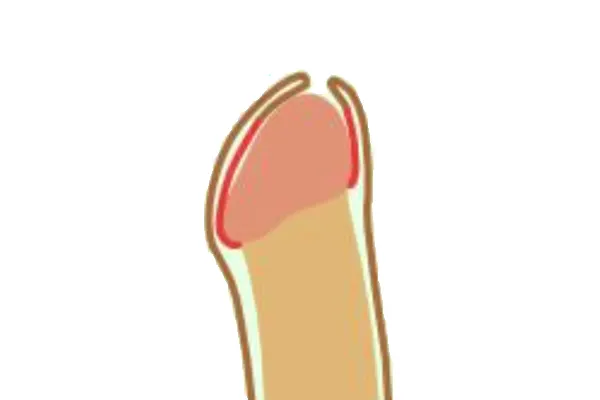
Most hydroceles in babies close on their own. Some do not.
What matters is knowing which one you are looking at — and whether it is a hydrocele at all rather than a hernia, which is treated quite differently. Bring him in and you will be told whether to wait or to operate.
Consultation 10:00 AM - 1:00 PM & 4:00 PM - 8:00 PM · 24-hour laboratory & pharmacy
In an emergency — green vomiting in a baby, a groin swelling that will not go back, severe tummy pain, or a newborn not passing urine or meconium — come straight to the hospital or to your nearest emergency department. Do not wait for a reply to a message.